






Written by
Sydney Bonner
The Guide for Selling Online: How to Stand Out From the Start
Get The Print Version
Tired of scrolling? Download a PDF version for easier offline reading and sharing with coworkers.
A link to download the PDF will arrive in your inbox shortly.
Key highlights:
Sell where customers already shop: Meet buyers across websites, marketplaces, social, search, and emerging AI-driven discovery.
Small optimisations create big wins: Even tiny lifts in conversion, pricing, or messaging can unlock meaningful revenue.
Consistency builds confidence: Unified branding, accurate data, and reliable fulfilment turn first-time buyers into repeats.
Build for growth before you need it: The best ecommerce foundations scale smoothly, adding products, channels, and traffic without breaking operations.
Make expansion easier, not harder: Tools like product feed management simplify multichannel selling, helping brands launch faster, advertise smarter, and grow easier.
Starting a store is an exciting endeavour.
But with thousands of other brands in your category competing for your audience’s attention, how will you cut through the noise? The opportunity is real, and massive. Global ecommerce sales are projected to surpass $8 trillion by 2027, yet the brands that win won’t be the loudest.
They’ll be the smartest. The ones that stand out are built with intention: combining a clear point of view, a seamless buying experience, and the flexibility to meet customers wherever they shop. In a crowded market, differentiation isn’t about doing more. It’s about doing the right things better.
Ready to build your store? Here’s what it takes
1. Find your niche.
The strongest online businesses don’t wake up and ask, “What can we sell?” They ask, “What problem are we uniquely positioned to solve?” The moment you anchor your brand to a real customer pain point and do your market research, everything clicks — your messaging gets clearer, your products feel more relevant, and customers instantly understand why you exist. Whether you’re a small business owner launching your first SKU or an enterprise brand managing thousands, it’s the same game: if shoppers can’t quickly see how you make their lives better, they’ll take their scrolling somewhere else.
Your niche can live anywhere: from broad categories like apparel, home goods, or electronics, to focused segments like sustainable athleisure, modular furniture for small spaces, or tools built specifically for growing B2B teams. It might be defined by who you serve (new dads, outdoor enthusiasts, procurement managers), what you solve (customisation, compliance, convenience), or how you deliver value (price, performance, experience).
The sweet spot? Where a real problem meets a clear audience, and where customers don’t just notice you, but recognise you as the one they’ve been searching for all along.
2. Decide on your target audience.
Deciding on your target audience isn’t about casting your net wide and far. It’s about choosing the people who need this brand in their lives. The fastest way to stall an online business is trying to appeal to the masses. The fastest way to grow is getting crystal clear on your fans, ready to cheer on your products.
Start by looking for patterns, not guesses. Who shows up again and again? Who has the problem you solve, feels it often, and is motivated to fix it? It might be busy parents who value convenience, creators who care about quality, small teams that need simple tools, or enterprise buyers looking for reliability and scale.
When you know who you’re talking to — everything gets easier. Your messaging sounds more natural. Your products feel more relevant. And your marketing stops feeling like a shot in the dark.
You don’t need a massive audience to succeed. You need the right one. When customers recognise themselves in your brand, trust builds faster, decisions come easier, and buying feels like the right move.
3. Identify your core product.
Creating your product idaea isn’t about chasing trends or copying what’s already selling, it’s about screaming from the rooftops boldly to declare, “This product is ours!” High-quality products live at the intersection of what people actually need, what you can deliver well, and what makes you universally different. Maybe it solves something tedious, improves what currently exists, or simplifies an everyday experience, like making a great latte. As a business owner or entrepreneur, if you can explain your product in one clear sentence and instantly answer the question, “Why this instead of everything else?” you’re on the right track. When your product answers that question for shoppers, they will naturally start showing up. A strong profit margin turns a great business idaea into a tangible one. As you refine your product, look closely at your costs, pricing flexibility, and long-term potential across product categories, your plan will begin to fall into place, step-by-step.
4. Build your online store from scratch.
Building your online store is where your idaea comes to life and first impressions are everything. In fact, 53% of shoppers will abandon a site if it takes longer than three seconds to load, which means speed, performance, and usability are not just “nice to haves” — they set the standard. A strong online store should be easy to navigate, fast-loading on every device, and designed to seamlessly guide customers from A to B.
The most effective online stores don’t just look good. They take customers from browsing to buying, remove noticeable pain points, and make the path to checkout feel ridiculously easy.
When your store works the way customers expect it to, they’re far more likely to explore, trust your brand, and come back for more.
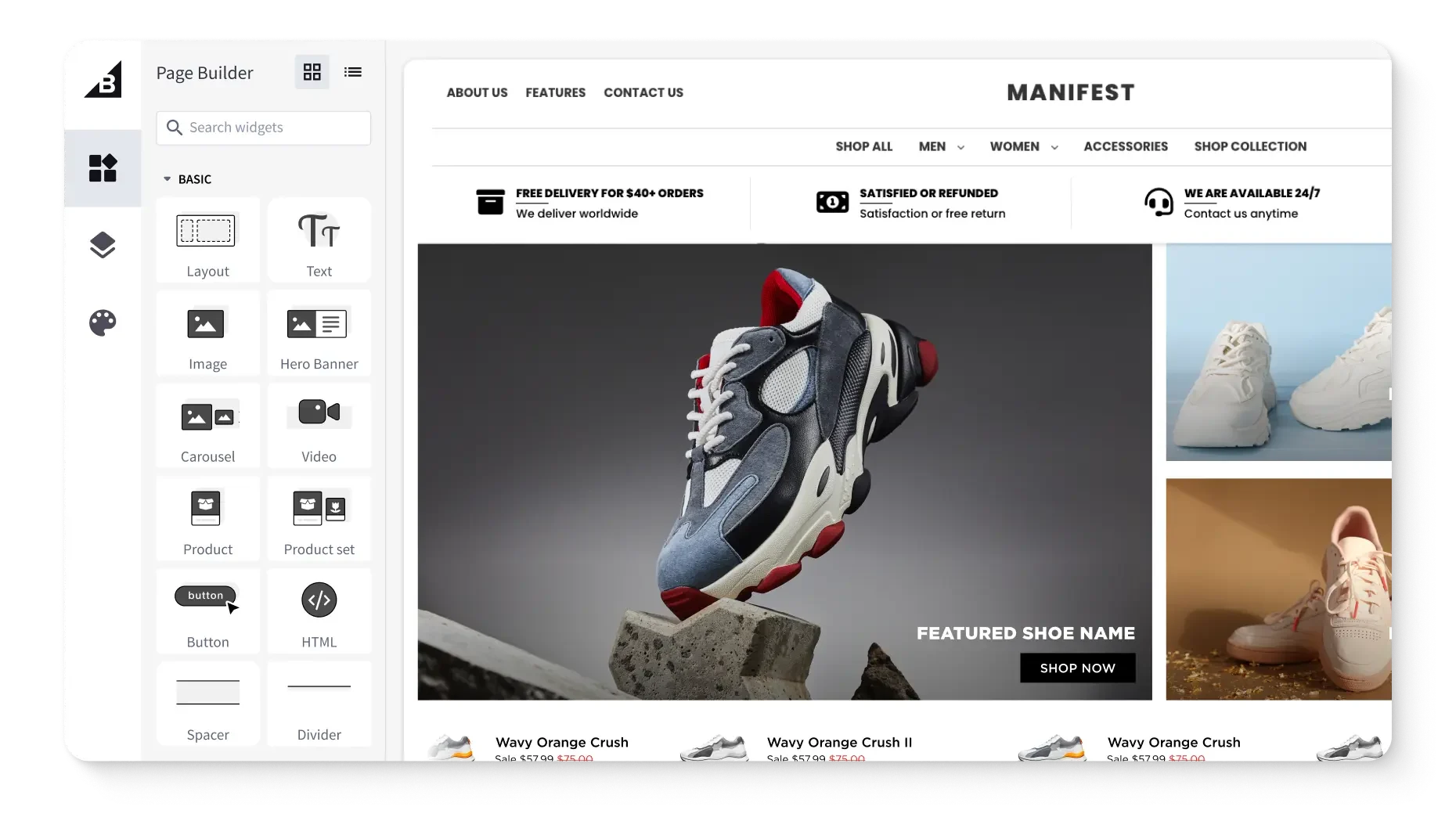
Get a free 15-day trial of BigCommerce.
No credit cards. No commitment. Explore at your own pace.
5. Optimise your product listings.
Every platform has its own rules, formats, and customer expectations, and what works on your website may fall flat elsewhere. Strong product listings start with clean, accurate data, clear titles, rich descriptions, and the right attributes to help products get found and chosen. From there, the real SEO advantage comes from tailoring data for each channel instead of taking a one-size-fits-all approach.
This is where feed management technology plays a star role, allowing businesses to centralise product data, automatically optimise listings for different platforms, and scale across sales channels and social media platforms without creating manual work or costly errors. When your products show up correctly, consistently, and competitively wherever customers shop, you increase visibility, improve search engine optimisation, and make multichannel selling feel manageable instead of overwhelming — that’s no crying over spreadsheets.
6. Design a top-notch user experience for your store.
When it’s time for shoppers to buy, make it easy for them. Research shows that 88% of shoppers are less likely to return to your site after a bad user experience, so why stall your customers from getting the gold?
Another 75% of users agreed that the overall aesthetics of a website determine its credibility. When designing a website from scratch, it can be a challenge to get everything right on the first try, but this is where multiple iterations can be your friend.
As a beginner, while you can design or code your site from scratch, you don’t have to start from a blank canvas. Template builders make it easier to get up and running — and if you want something more flexible for composable commerce storefronts, Makeswift is a standout option. It’s built to plug seamlessly into modern frameworks and headless setups, giving you the freedom to customise without wrestling with rigid templates. Build exactly what you want, adapt as you grow, or jump in and demo now.
7. Explore which integrations compliment your business.
Exploring the right integrations is where your ecommerce business really starts to level up. Smart brands don’t try to do everything themselves, they connect tools that specialise in what they do best. That might look like adding multiple payment options to meet customer preferences, integrating marketing and advertising channels to reach shoppers where they are, or connecting shipping and fulfilment partners to keep orders moving smoothly.
Some examples of integrations include:
Pre-built apps for quick setup across marketing, payments, shipping, marketplaces, and reviews.
Integration platforms (iPaaS) to connect systems like ERPs, OMS, PIMs, and CRMs and keep data in sync.
Custom API integrations built to automate workflows, real-time data sharing, and high-quality customer experiences.
Layer in tools for analytics, personalisation, or storefront experience, depending on your goals.
With a flexible ecommerce platform and a broad ecosystem of integrations, businesses can build a tailored stack that grows when they’re ready.
When your stack works as one, scaling stops feeling complicated and starts feeling real.
8. Shipping options to go the distance.
Shipping can make or break the online buying experience. Get it right, and you earn trust with potential customers. Get it wrong, and even great products get left behind in the cart.
When selling online, your shipping options should be flexible, transparent, and easy to manage. That means working with reliable carriers like FedEx and USPS, clearly communicating shipping costs, and giving customers choices at checkout. Some brands roll shipping into product pricing, while others use real-time or flat rates so shoppers can pick speed or savings. The key is no surprises.
Native integrations let you compare rates, create shipping labels, and manage fulfilment from one place. Orders move faster, and your team spends less time jumping between tools.
If you sell online and through a physical store, shipping can also unlock new opportunities. With strong inventory management, you can ship from a warehouse, a physical store, or offer in-store pickup. That flexibility helps you reach more ideal customers without overselling.
9. Build relationships with customers.
Building real relationships with customers matters because people don’t stay loyal to transactions, they stay loyal to experiences. When customers feel seen, heard, and genuinely supported, trust grows, and trust is what turns a one-time purchase into a long-term connection. Strong relationships lead to better feedback, higher lifetime value, and customers who choose you even when cheaper or faster options exist. In a crowded ecommerce landscape where products are easy to copy, relationships are the true differentiator. They’re what humanise your brand, deepen loyalty, and create advocates who come back not just for what you sell, but for how you relate to them.
10. Market your business for expansion.
Marketing for expansion isn’t about flipping a switch after launch — it’s about building momentum before, during, and long after your store goes live.
Smart brands prime the pump early with teaser campaigns, waitlists, and influencer partnerships that spark curiosity and create demand before the first click lands. Consider this fact: 92% of consumers trust recommendations from influencers more than traditional ads or celebrity endorsements. From there, growth comes from showing up everywhere your customers already are: social media platforms, search results, inboxes, creator content, events, and conversations. An omnichannel strategy turns your store into a constant presence, reinforcing your brand through paid ads, organic content, email, promotions, and word-of-mouth that compounds over time. Done right, marketing doesn’t just drive traffic, it fuels expansion, helping you reach new audiences, enter new markets, and scale with confidence instead of guesswork.
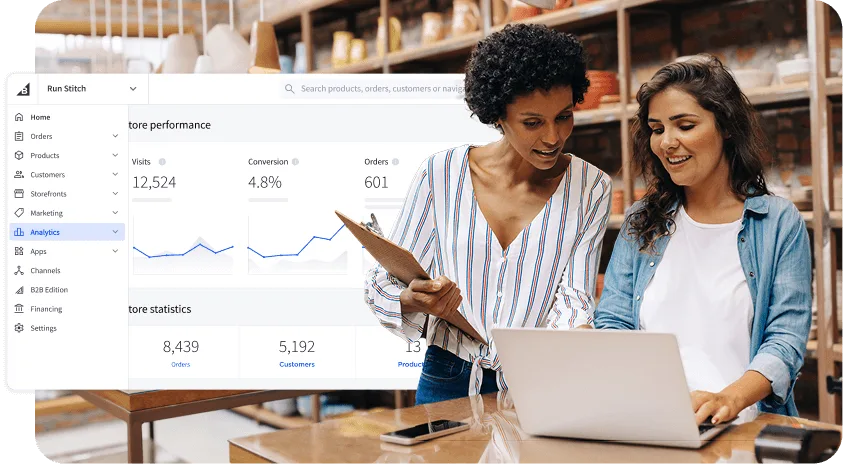
Find your favourite features.
Explore all of the capabilities of the BigCommerce platform.
Tips to successfully sell products online
Tip #1: Meet customers where they already shop.
Today’s buyers don’t think in channels — they think in convenience. In fact, nearly half of consumers start their product search on online marketplaces or search engines, not on brand websites. This is a clear signal that discovery happens everywhere, not in one place.
That means showing up where customers already spend time: on your own website, on marketplaces, across social and discovery platforms, and in search results.
You don’t need to be everywhere on day one, but you do need to be present where it matters most to your audience. Start with the channels they trust and use daily, then expand strategically as demand grows. The brands that win online aren’t the ones chasing every channel, they’re the ones that make buying effortless, wherever shoppers choose to start.
Tip #2: Keep testing, small improvements add up fast.
Ecommerce success is rarely driven by one big breakthrough — it’s built through constant, incremental improvement.
The strongest online brands are always testing: refining headlines and product descriptions, adjusting pricing and promotions, experimenting with page layouts and calls to action, and fine-tuning product bundles or recommendations. These small, data-backed changes might seem minor on their own, but they add up fast. A 1-2% lift in conversion may not sound dramatic, yet at scale, those gains compound into meaningful revenue growth over time. In ecommerce, progress favours the bold: teams that keep learning, keep iterating, and never stop testing what works best for their customers.
Tip #3: Prioritise consistency across the entire experience.
Consistency is what turns first-time buyers into repeat business. When shoppers interact with your brand, they expect the same experience everywhere: from your website and marketplaces to social platforms and customer support. That means clear, consistent branding and messaging, accurate pricing and product information across sales channels, reliable inventory and fulfilment, and support they can count on when questions arise.
When everything works together, buying feels easy. Customers know what to expect, they get what they were promised, and they’re far more likely to come back. In ecommerce, consistency isn’t about perfection, it’s about reliability. Reliable brands are the ones people return to — time and time again.
Tip #4: Plan for growth, even if you’re small.
Starting small doesn’t mean thinking small. You don’t need enterprise-level complexity to start, but you do need a plan that won’t box you in later. The smartest brands ask the hard questions early:
Can this store handle a traffic spike?
Can new products, channels, or markets be added without a rebuild?
Can operations scale without turning into a daily fire drill?
Growth has a funny way of showing up faster than expected, and when it does, your foundation matters. The small businesses that scale aren’t scrambling to keep up, they’ve paving the way for the future.
Tip #5: Offer multiple payment options at checkout.
Checkout is not the place to make customers work harder. Offering multiple payment options removes friction at the exact moment someone is ready to buy, and that can make the difference between a complete purchase or an abandoned cart. Shoppers expect flexibility, whether that’s providers like Apple Pay, Stripe, PayPal, Buy Now, Pay Later options, digital wallets, or traditional payment methods like credit cards, debit cards, or direct payments from a bank account. The more familiar and convenient the option feels, the faster checkout becomes — especially on mobile, where speed matters most. When customers can pay how they want, without hesitation or hassle, conversions go up and drop-off goes down. Sometimes, the easiest growth win isn’t a new campaign, it’s a new checkout button.
Tip #6: Use a feed management tool to sell on new channels.
Expanding into new channels should feel exciting, not overwhelming. A feed management tool like Feedonomics makes it easier to test, launch, and scale advertising across new platforms without rebuilding your product data each time. With optimised, channel-ready feeds, confidently push your products into search, social, marketplaces, and emerging sales channels, knowing your listings are accurate, compliant, and built to perform. Instead of holding back because of complexity, you’re free to experiment, automate, and meet customers wherever discovery is happening next. When your feeds are handled, growth stops being a question mark, and starts becoming an opportunity.
The final word
Selling online isn’t a single launch moment — it’s a living system that grows, adapts, and gets smarter over time. Whether you’re a small team finding your footing or an enterprise brand scaling across markets, the goal is the same: make it easy for customers to find you, trust you, and buy from you wherever they are. With the right foundation, the right tools, and a willingness to keep testing and improving, ecommerce stops feeling reactive and starts feeling intentional. Growth becomes less about scrambling and more about momentum. When everything clicks — like channels, data, experience, and strategy — selling online isn’t just how you transact. It’s how you build something that lasts.

There's a lot to love ❤️
Watch a demo to see the BigCommerce platform in action.
FAQs for selling online
You can sell online almost anywhere your customers are already discovering products, and today, that goes far beyond a single storefront. Your own website is still the foundation, giving you full control over branding, data, and customer relationships. From there, many small businesses and enterprises expand to online marketplaces like Amazon, Walmart, eBay, and Target Plus, where shoppers are actively searching with intent to buy. Social and social media platforms such as Instagram, TikTok, Facebook, Pinterest, and YouTube also play a major role, blending content, community, and commerce into a single experience.
Increasingly, product discovery is also happening through generative search engines and AI-powered assistants, like ChatGPT and other emerging tools that surface products through conversational search and agentic commerce experiences.
Sourcing products for online sales starts with finding the right balance between demand, differentiation, and scalability. Many businesses work directly with manufacturers or wholesalers, partner with local or niche suppliers, or use private-label and white-label products to build a unique brand. Others create their own products, or use print on-demand and dropshipping models to reduce upfront risk. The key is choosing a sourcing strategy that supports quality, reliable fulfilment, and long-term growth, so you can scale confidently as demand increases, without sacrificing the customer experience.
When selling online, it’s important to cover the basics early to avoid costly surprises later. This includes registering your business, understanding sales tax and VAT obligations in the regions where you sell, and complying with consumer protection laws around returns, refunds, and clear pricing. You’ll also want to pay attention to data privacy and security requirements, like GDPR or CCPA, especially if you collect customer information. As you expand into new markets or channels, regulations can vary, so building compliance into your operations from the start helps protect your business and keeps growth moving smoothly.
An online store needs more than just products to succeed: It needs a strong foundation that supports trust, discovery, and conversion. Essential components include a clear, memorable brand name that communicates who you are and what you stand for; a well-designed website that’s visually consistent, easy to navigate, and optimised for the entire buyer journey; and a marketing strategy that attracts new customers through channels like search, social, email, and paid media. You’ll also need reliable shipping options and fulfillment processes to deliver products accurately and on time, along with a thoughtful product strategy, whether you sell commoditized items, niche products, or a mix of both.
You can sell almost any type of product online, but most fall into two main categories: commoditized products and niche products. Commoditized products are high-demand, everyday items like apparel, electronics, household goods, or digital services that customers already recognise and regularly buy. Niche products serve a more specific audience and often stand out through uniqueness, craftsmanship, or specialisation, such as handmade goods, collectibles, or made-to-order items. Many successful online stores sell a mix of both, using commoditized products to drive volume and niche products to differentiate their brand. The right product strategy depends on your audience, margins, and ability to stand out in a competitive market.
Choosing what to sell on your ecommerce website starts with strategy, not guesswork. Look for products that solve a real problem, tap into something people are genuinely passionate about, or serve a clearly defined niche. The strongest ideas often sit at the intersection of demand, differentiation, and personal interest; whether that’s improving an existing product, spotting an underserved market, or offering a fresh take through branding and positioning. Pay attention to emerging trends, customer reviews, customer base insights, and your own strengths, then validate demand before going all in. When you choose products with purpose, storey, and room to grow, you set your store up for long-term traction, not just short-term sales.
Start by understanding where you have tax obligations based on where you operate, store inventory, or sell, then use tax and compliance tools that can calculate, collect, and file correctly as you grow. As you expand into new regions, channels, or countries, rules will change, so staying organised and using software (or trusted partners) to manage complexity can save time and reduce risk. The goal isn’t to memorise every regulation, it’s to build systems that keep you compliant in the background while you focus on growing your business.
Look at your margins, fulfilment expenses, marketing spend, and fees across channels, then balance that against what your audience is willing to pay and how competitors are positioned. Some products perform best with straightforward pricing, while others benefit from bundles, subscriptions, tiered pricing, or promotional discounts. The key is flexibility: test different approaches, watch how customers respond, and adjust as you scale. The right pricing model isn’t just profitable — it supports growth, competitiveness, and long-term sustainability.
Many small businesses and enterprises use AI to improve product titles, descriptions, images, and attributes based on what performs best across search, online marketplaces, and ads. On the customer side, AI helps deliver smarter recommendations, personalised content, dynamic pricing, and more relevant search results based on browsing-and-purchase behaviour. Used thoughtfully, AI doesn’t replace strategy, it enhances it, helping you scale personalisation, improve performance, and create shopping experiences that feel more relevant without adding operational complexity.
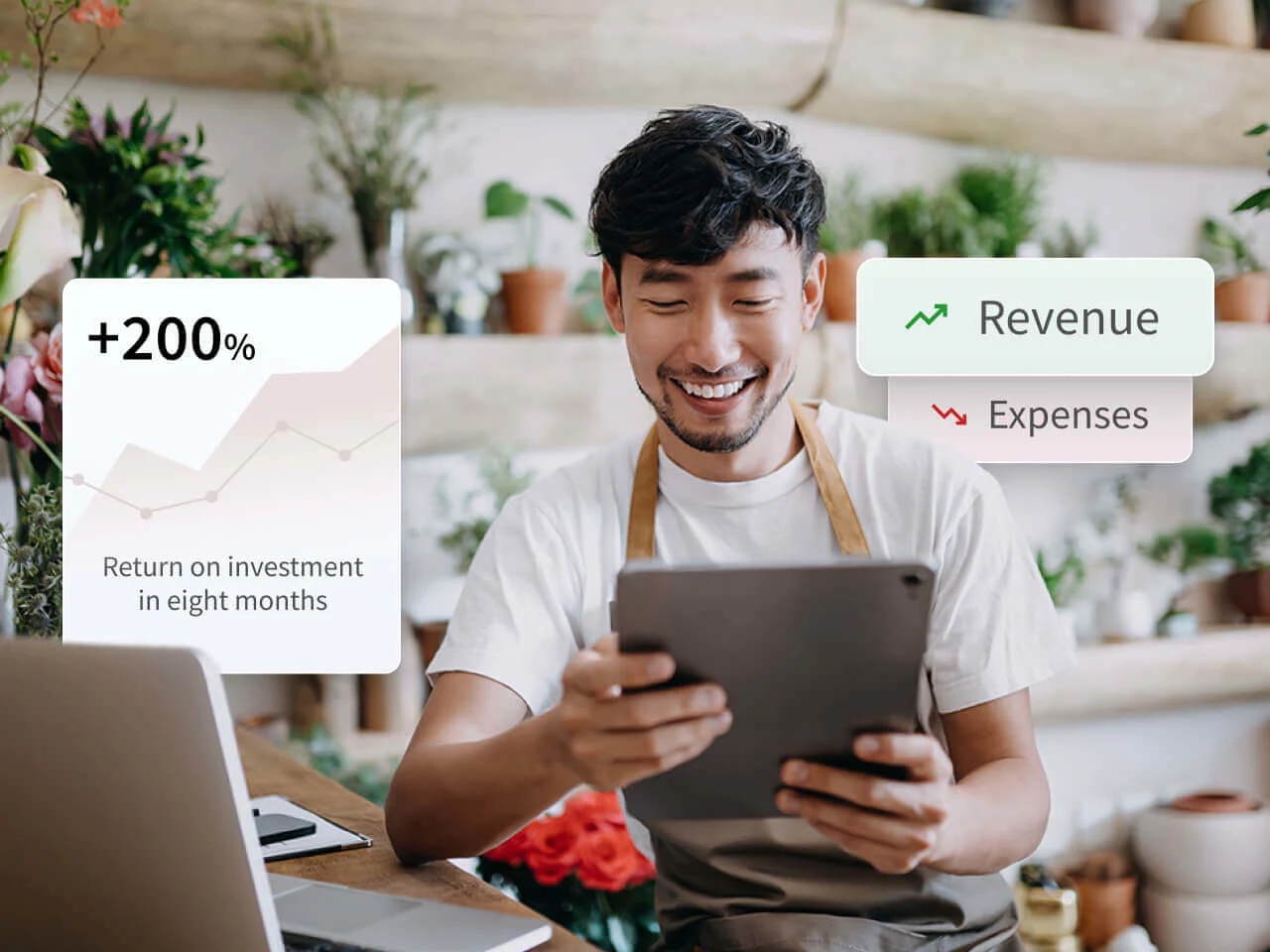
Zero payment fees for embedded providers? Say no more.
We never charge additional fees for businesses that use any of our 20+ embedded payment providers.